
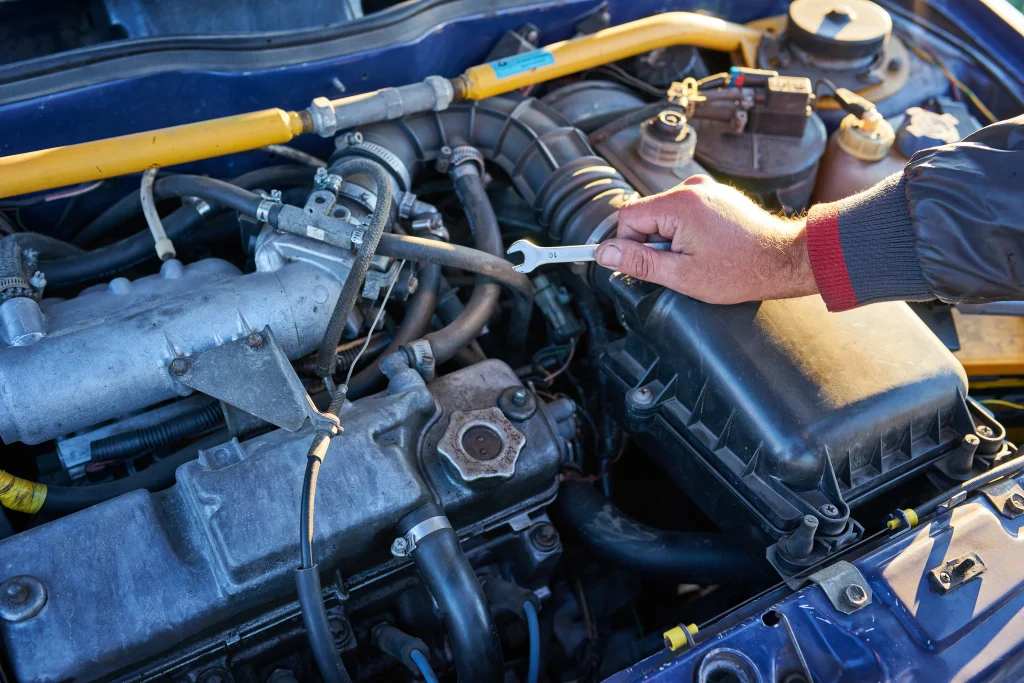
When summer temperatures rise in Tucson, AZ, your car’s air conditioning becomes more than just a comfort feature. It helps make driving safer and more manageable during extreme heat. So when your car AC suddenly stops cooling in the middle of summer, it can quickly turn every trip into an uncomfortable experience.
There are several reasons this can happen. In some cases, the issue is minor, such as low refrigerant or a clogged cabin air filter. In other situations, it may point to a failing compressor, an electrical problem, or a damaged belt affecting the AC system. If your vehicle is blowing warm air or cooling inconsistently, it is best to have the system checked before the problem gets worse.
At Mobile Mechanic Pros of Tucson, we help drivers diagnose AC issues on-site, making it easier to get answers without spending hours waiting at a repair shop.
Why Car AC problems get worse in Summer
Your car’s air conditioning system works harder during the summer because of the high outside temperatures. In Tucson, intense heat puts extra strain on AC components, especially when your vehicle is parked in the sun or driven in heavy traffic.
When the system is already weak, summer heat tends to expose the problem faster. A small refrigerant leak, a worn compressor, or weak airflow may not seem obvious during milder weather, but once temperatures climb, your AC may struggle to keep up or stop cooling entirely.
That is why many drivers first notice AC issues in summer, even if the problem started earlier in the year.
Common reasons your car AC stops cooling
Several parts of your air conditioning system must work together properly to produce cold air. If one component starts to fail, overall performance can drop quickly.
Low refrigerant levels
Low refrigerant is one of the most common reasons an AC system stops cooling. Refrigerant is the substance that helps remove heat from the cabin air. If the refrigerant level is too low, the system cannot cool effectively.
Low refrigerant usually happens because of a leak. Even a small leak can eventually reduce cooling performance and lead to warm air coming from the vents.
Failing AC compressor
The compressor is one of the most important parts of the air conditioning system. It circulates refrigerant and helps maintain pressure. If the compressor fails or begins to wear out, the system may stop producing cold air completely.
Some signs of compressor trouble include unusual noises when the AC is turned on, weak cooling, or the AC working only occasionally.
Faulty condenser
The condenser helps release heat from the refrigerant. If it becomes blocked, damaged, or dirty, it may not be able to do its job correctly. This can reduce cooling efficiency, especially during very hot days.
Road debris, dirt buildup, and normal wear can all affect condenser performance over time.
Electrical issues
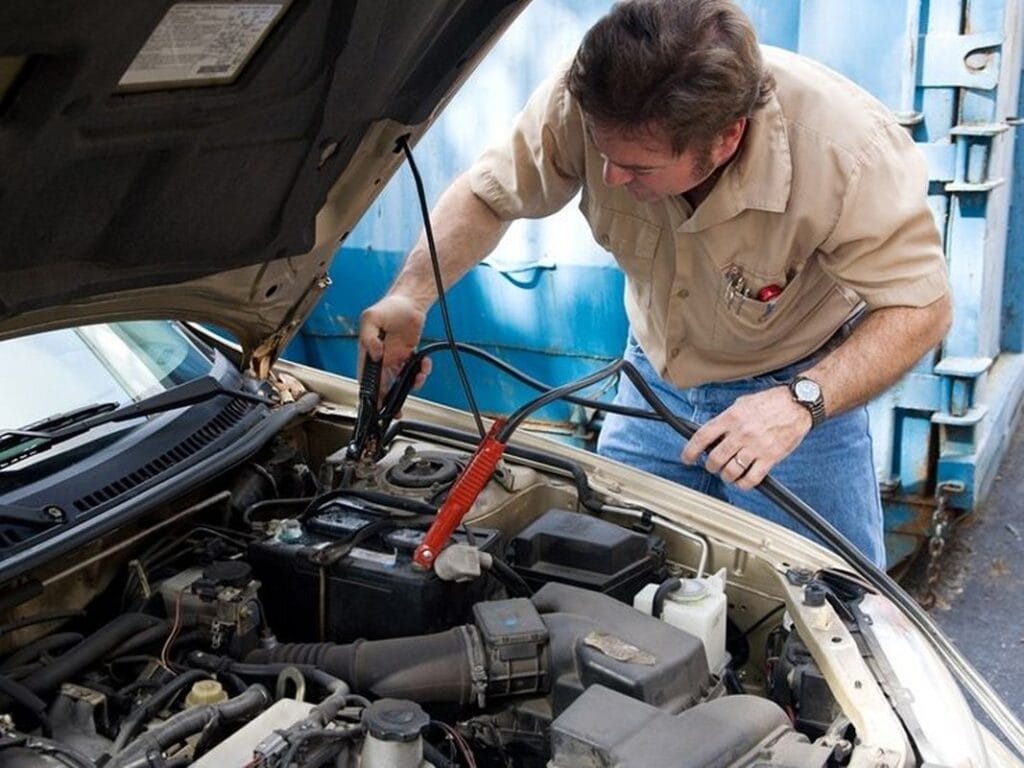
Modern air conditioning systems depend on sensors, relays, switches, and wiring. If there is an electrical fault, the AC may stop working even if the main mechanical parts are still in good condition.
Blown fuses, faulty pressure switches, or damaged wiring can interrupt the system and prevent the compressor from engaging.
Broken or worn belt
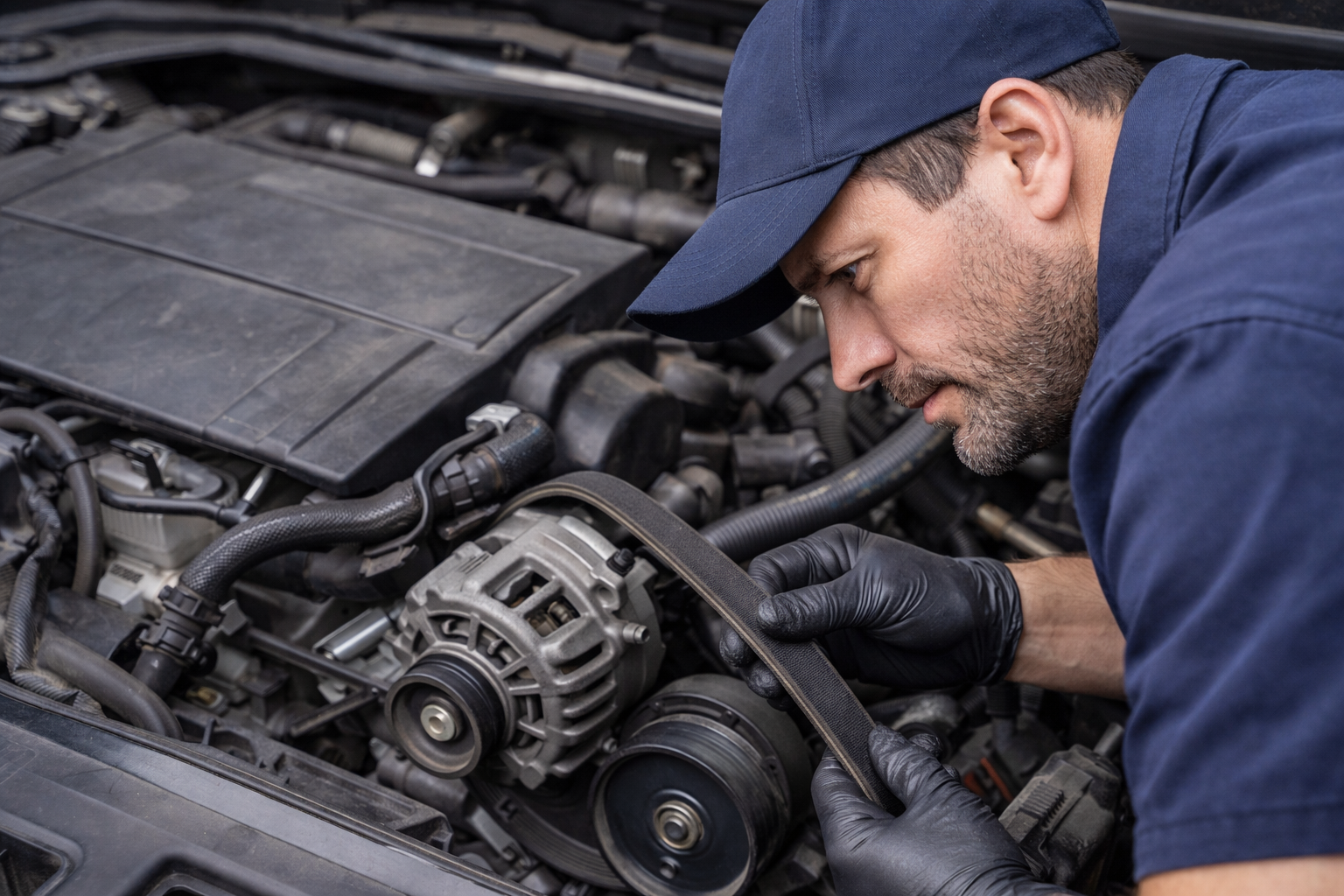
Your AC system may also be affected by a worn or broken serpentine belt. In many vehicles, this belt helps drive the compressor. If the belt is loose, cracked, or damaged, the compressor may not function properly.
This is also important because belt issues can affect more than just the AC system. You can learn more here: Can a broken belt damage my engine?
Clogged cabin air filter
A dirty cabin air filter can restrict airflow inside the cabin. While it may not always cause the AC to stop cooling completely, it can make the air feel weaker and less effective, especially during summer.
If your vents are not blowing as strongly as they used to, the cabin air filter could be part of the problem.
Signs your AC system needs attention
Some AC issues happen suddenly, while others build up over time. Paying attention to early warning signs can help prevent larger repairs later.
Watch for symptoms such as:
- Warm air blowing from the vents
- Weak airflow
- Cooling that comes and goes
- Strange noises when the AC is on
- Musty or unusual smells from the vents
- AC working better while driving than while idling
If your vehicle is already showing these signs, it is a good idea to have it inspected before the system fails completely.
Why your car may blow cold air at first, then turn warm
Some drivers notice that their AC starts out cold, then loses cooling after a few minutes. This can happen when the compressor is overheating, the refrigerant level is low, or the system pressure is not stable.
In other cases, the issue may feel similar to another common problem where the system blows warm air from the start. If that sounds familiar, you may also want to read Why Your Car AC Is Blowing Warm Air
Comparing these symptoms can help narrow down the cause, but a proper inspection is still the best way to confirm the issue.
Can you keep driving if your car AC stops cooling?
In many cases, yes, you can still drive the car if the AC is not cooling. However, that does not always mean it is safe to ignore.
If the problem is related to a belt, compressor, or electrical system, continuing to drive could place more stress on other parts of the vehicle. In Tucson’s summer heat, driving without AC can also be uncomfortable and exhausting, especially during longer trips or when stuck in traffic.
The smarter approach is to have the issue diagnosed early before it leads to more expensive repairs.
Why mobile AC diagnosis is helpful
Taking your vehicle to a repair shop during summer can be inconvenient, especially if the heat is severe and the AC is not working. A mobile mechanic makes the process easier by coming to your location to inspect the vehicle.
This can help save time and reduce the stress of driving an already uncomfortable car across town. A mobile inspection can often identify whether the issue involves refrigerant loss, a compressor problem, a belt issue, or another AC system fault.
For many drivers in Tucson, this is a practical way to get answers without interrupting the whole day.
How to help prevent AC problems in hot weather
While not every AC issue can be prevented, a few simple habits can reduce wear on the system.
Try to:
- Run your AC regularly, even during cooler months
- Replace the cabin air filter when needed
- Pay attention to weak airflow or reduced cooling
- Have unusual noises checked early
- Inspect belts and visible components during routine maintenance
Keeping up with basic maintenance can help your AC system perform better when summer heat arrives.
Call a Mobile Mechanic in Tucson, AZ for AC problems
If your car AC stops cooling in summer, do not wait for the problem to get worse. What starts as weak cooling can turn into a full system failure if the issue is left unresolved.
Mobile Mechanic Pros of Tucson provides convenient on-site diagnosis and repair support for drivers dealing with AC problems in Tucson, AZ. Whether your vehicle is blowing warm air, losing cooling during hot afternoons, or showing signs of a belt or compressor issue, getting professional help early can save time and money.
If your car is no longer keeping you cool in the Tucson heat, schedule an inspection and find out what is causing the problem before it becomes a larger repair.